Iraq Heritage
Exploration
Historic Baghdad
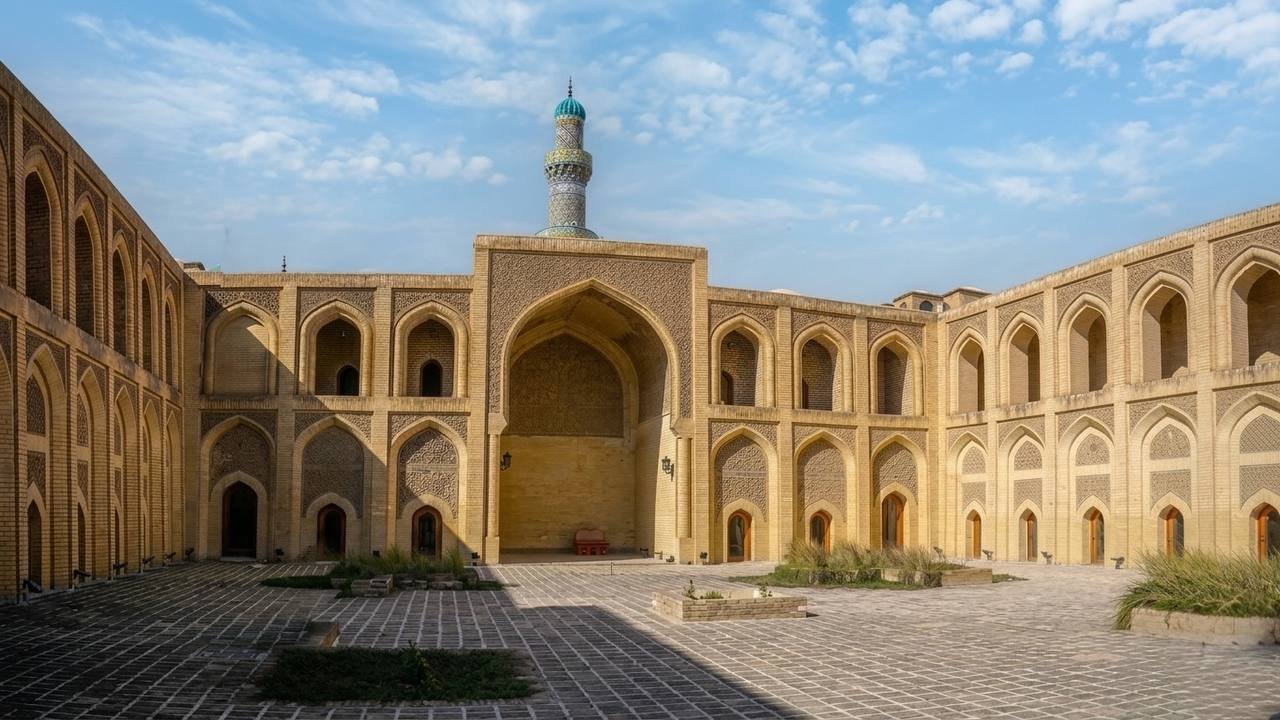
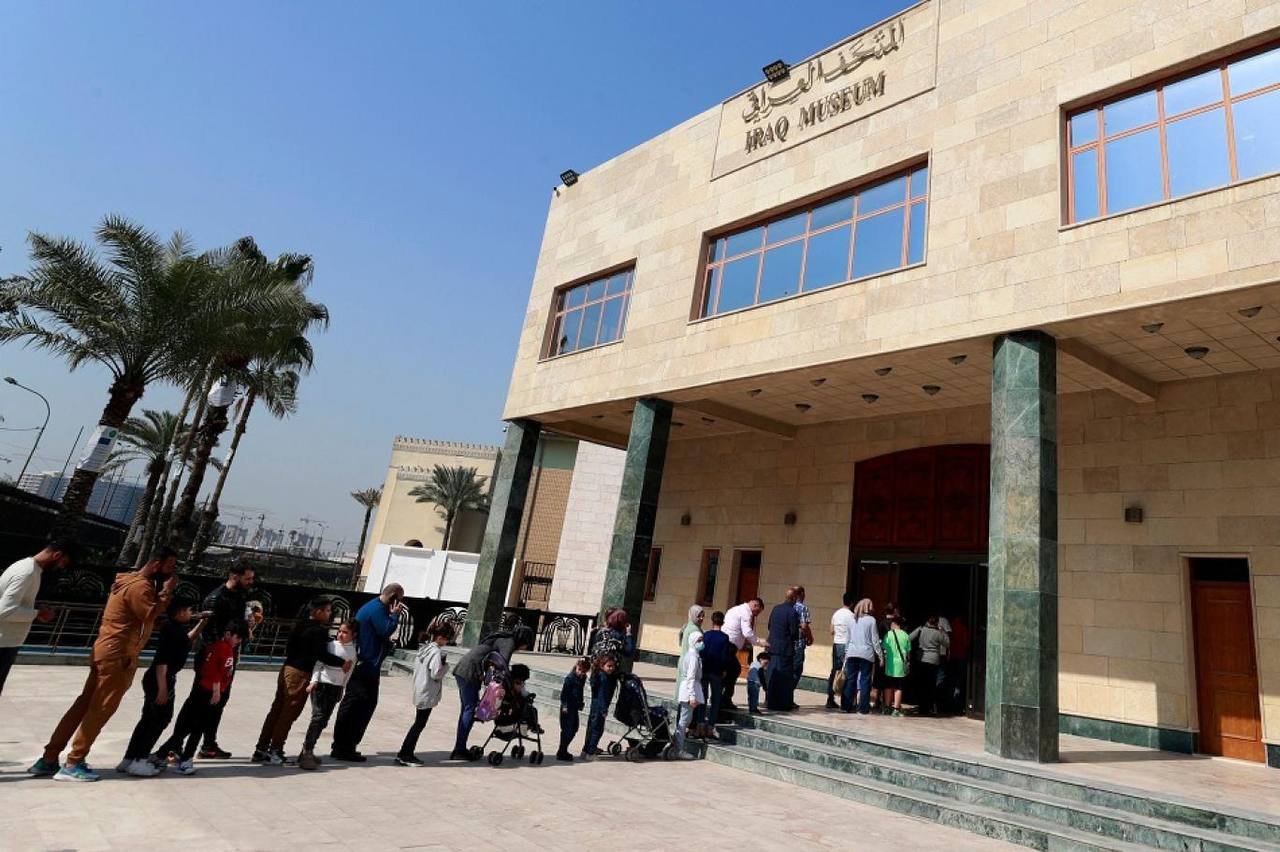
Baghdad is a treasure of history. Explore the Al-Mustansiriya Madrasa (13th century) and the National Museum. Visit the golden Al-Kadhimiya Shrine, Abu Hanifa Mosque, and the historic Qashla clock tower.
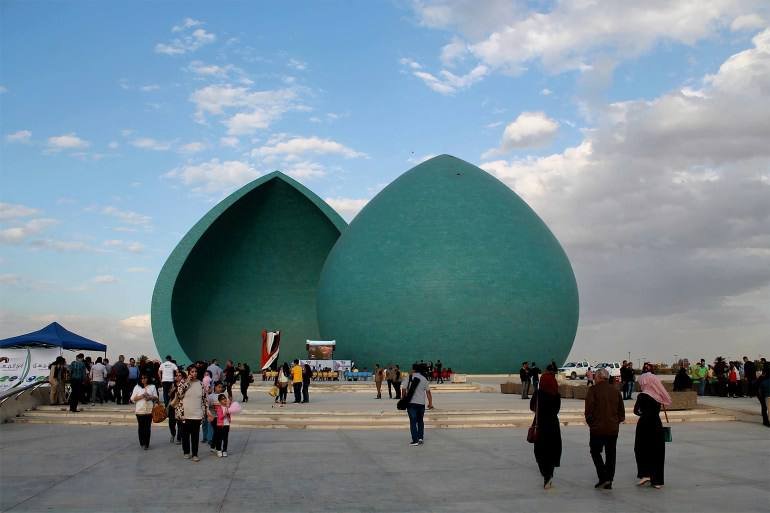
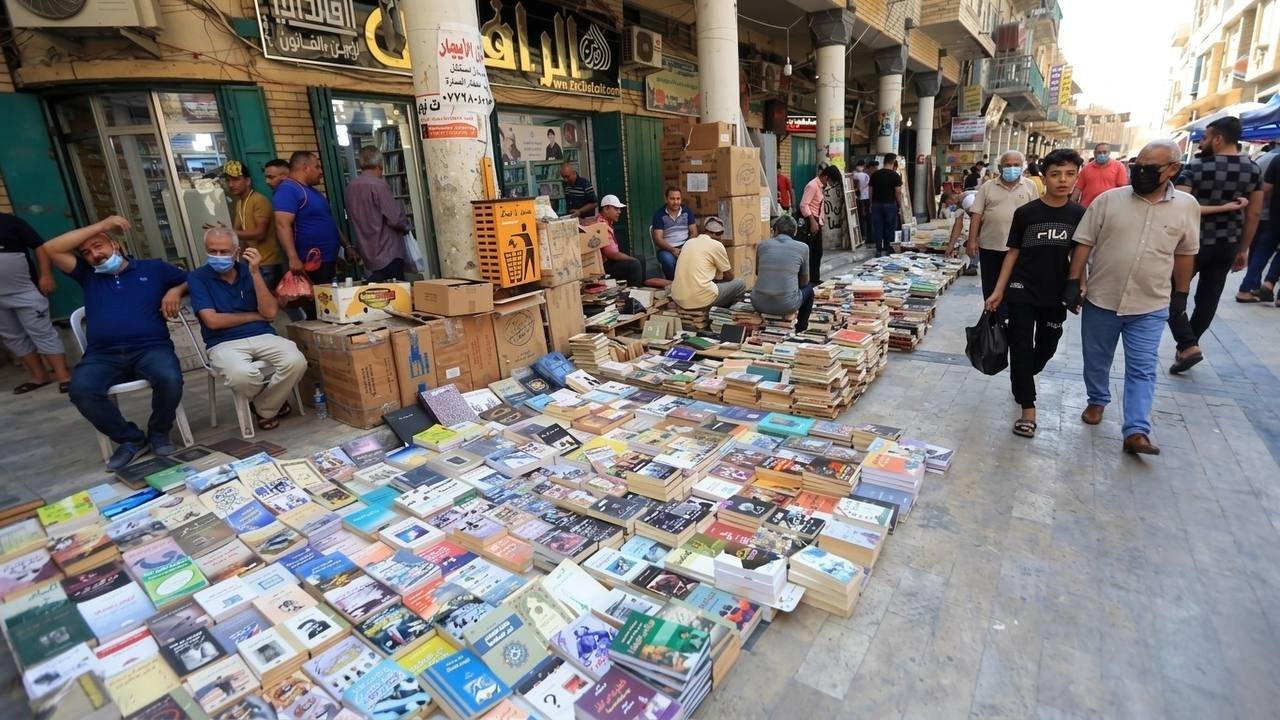
Experience the blue Al-Shaheed Monument and the legendary bookstores of Al-Mutanabbi Street.
Taste the authentic Masgouf fish on Abu Nuwas Street or Pacha. Don't forget traditional sweets like Dehina and Zalabia.
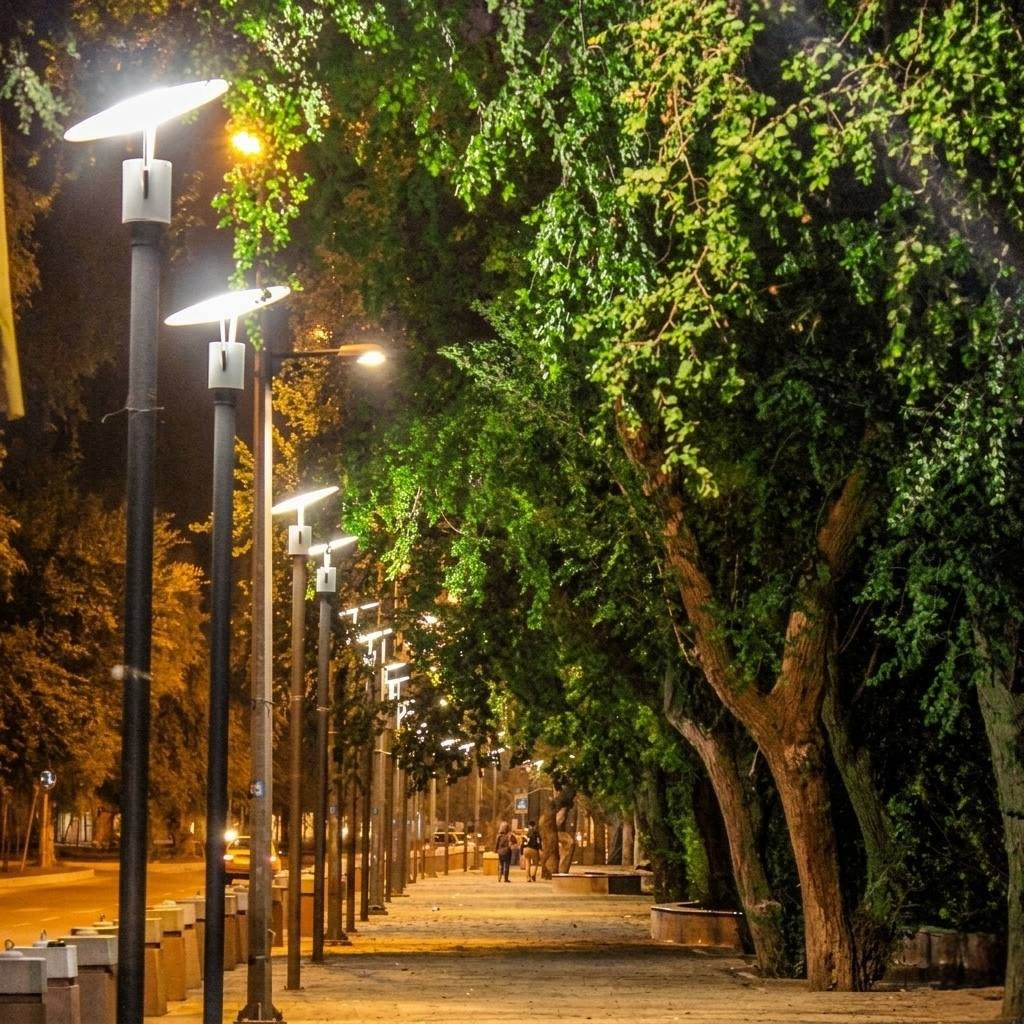
Explore modern Baghdad in Mansour and Karrada for shopping at Baghdad Mall and vibrant nightlife in modern restaurants.
Local Tip: Drink tea at the historic Shahbandar Café. Best visit: Friday mornings at Mutanabbi Street.
Around: Taxis are easy. Walking is best for historic markets. Best time: Spring (Mar–May) and Autumn (Oct–Nov).
Explore Samarra
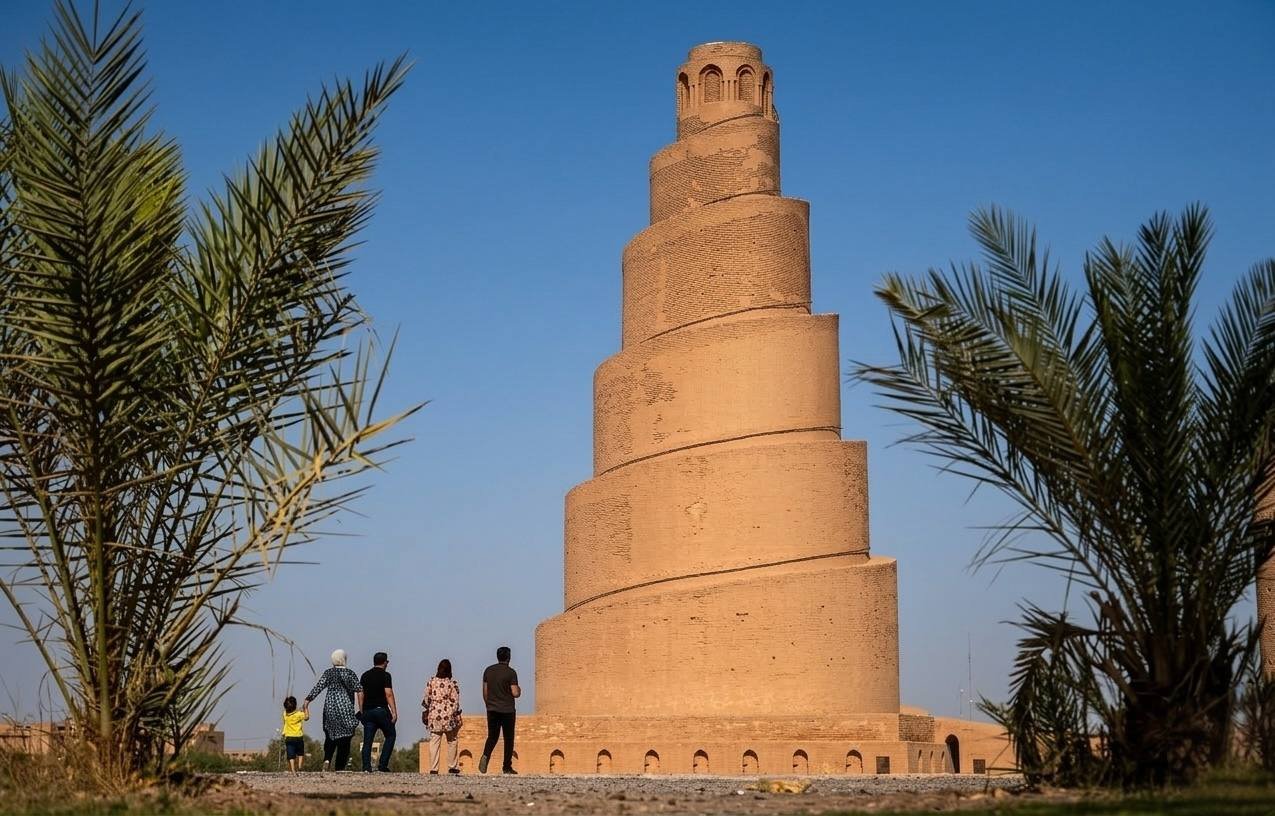
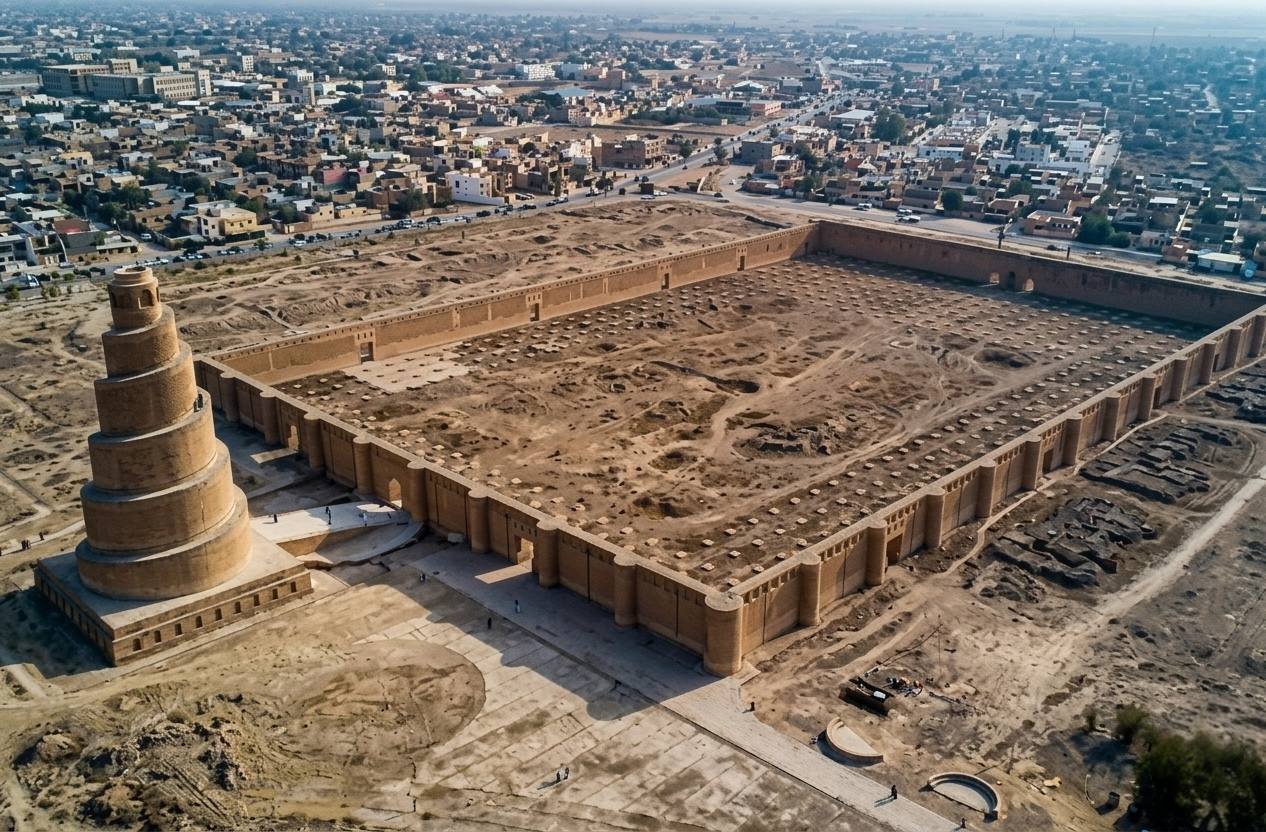
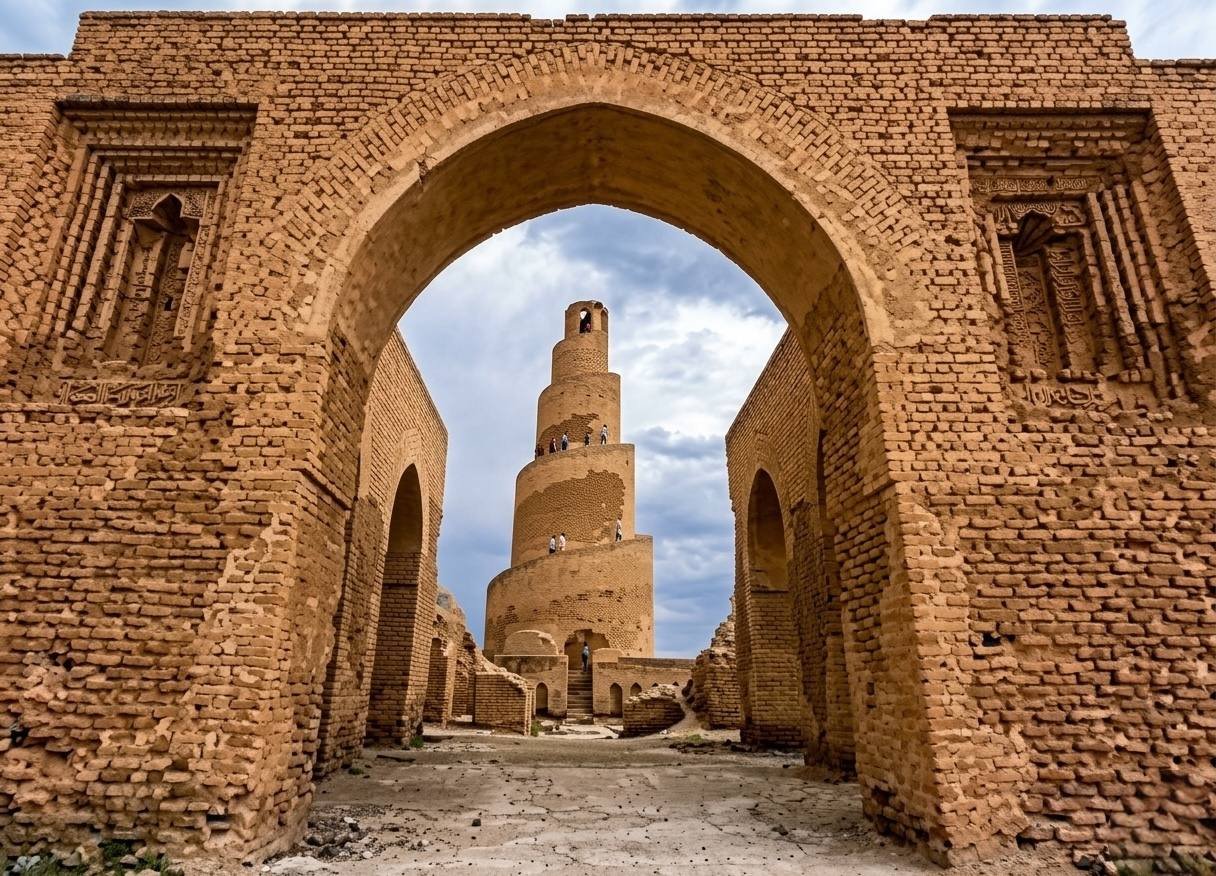
Samarra was the capital of the Abbasid Caliphate in the 9th century. One of the most famous landmarks is the Great Mosque of Samarra with its iconic spiral Malwiya Tower, which stands 50 meters high.
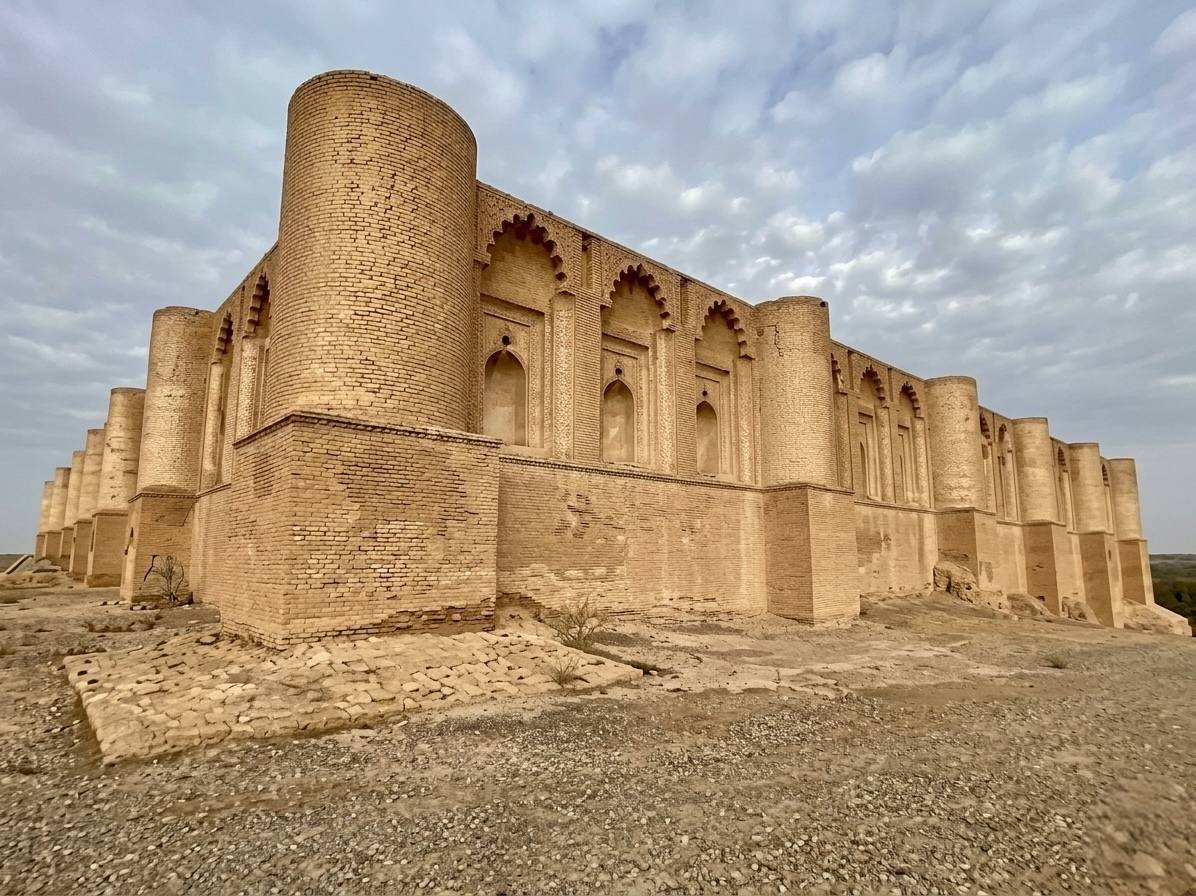
Explore the historic Abu Dulaf Mosque, the golden-domed Al-Askari Shrine, and Qasr al-Ashiq. For ancient history, visit Tell es-Sawwan (5000 BCE). All these sites are part of the UNESCO World Heritage.
Explore ancient mosques, palaces, and archaeological ruins. The city offers beautiful views along the Tigris River for relaxation.
Visit local markets to learn about the city’s culture and experience the historic atmosphere.
Around: Samarra is relatively small. Visitors usually travel by taxi or private car to reach historical sites. Walking is great for the city center.
Best Time: Spring (March–May) and Autumn (October–November). Summers are very hot, and winters can be windy.
Ancient Babylon
In the heart of ancient Babylon, the Tower of Babel once rose as one of the most remarkable landmarks in history. Standing at 91 meters high, it is considered one of the earliest "skyscrapers" in human history.
The structure was perfectly square, with a base of 91 meters, consisting of seven ascending levels that formed a majestic silhouette visible from great distances across Mesopotamia.
When Alexander the Great arrived in the 4th century BCE, the tower was in decay. Inspired by its grandeur, he planned to rebuild it to restore Babylon’s glory.
He ordered the debris cleared for reconstruction, but fate intervened—Alexander died in Babylon before his ambitious dream could be realized.
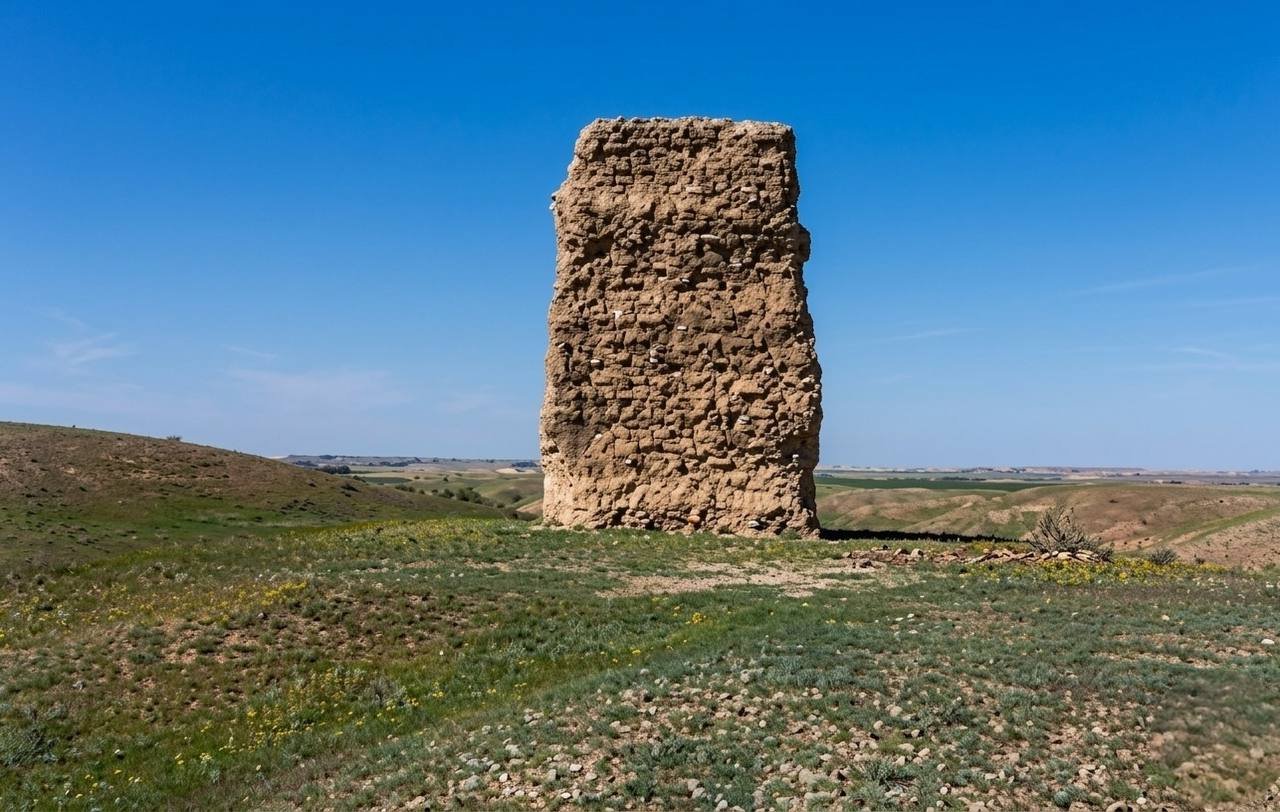
In the 20th century, a German expedition led by Robert Koldewey identified the foundations. Their findings matched a Seleucid clay tablet written by the scribe Anu-belshunu.
Though the physical bricks were reused over centuries, the tower remains a powerful symbol of Mesopotamian architectural ambition and the human desire to reach the heavens.


